Nov 20th, 2026 Friday Sunny
Typically, when we travel, we prefer to stay in hotels, partly because of the peace of mind associated with relatively standardized services – we know, approximately, what to expect from the room and facility. I have also had some bad luck in booking from third party sites that discourages me from taking the risk again.
However, when we started looking for lodging in Puerto Rico, we quickly realized that, at least in some areas, choosing a bed and breakfast might be the most feasible. That is how we ended up in a residential area, on a little hill, among other cutely decorated cottages (some with “for sale” signs) and colorful gardens, standing in front of the door to a condo – the owners appeared to be just two units away.
It was not the most spacious dwelling, but was carefully arranged to emit the ambiance of a beach resort. A living room with a table, two chairs, and a kitchenette nearby. In the back, an air-conditioned bedroom with at least ten pillows occupying two thirds of the bed, each in a different style, was waiting to receive our tired bodies.
Not luxurious, yet comfortable. Staring into the ceiling with a soft blanket wrapping around me, I drifted into dreamland.
After a couple of days, I noticed something missing. There was not a single clock to be found.
“I guess that is a great way to help the travelers unwind.” I joked with my husband.
Our itinerary involved driving around the whole island, so we stayed in three other cities, a mixture of historic abodes, vacation rentals, and guest houses. Their quality varied, and their vibes were distinct from each other. Nevertheless, they shared one thing in common – no clock visible anywhere, even in the lobby area. In one place, when we arrived for check-in at the indicated time, nobody was even there.
More interestingly, this “clock-free-zone” was not limited to spots for resting. Throughout our entire trip, the only glance of a clock in public was the ones hung above the thermal spring in Coamo, with the sole purpose of ensuring soakers get out and take breaks after fifteen minutes.
It was as if time, as how we are used to perceive it, is irrelevant to the life here.
The local people have their own sense of time. Those by the coast are attuned to the rise and fall of the tides. Others watch the changing sunlight, and feel the fluctuation of the temperature. They know when it is time to set sail, take a siesta, and wrap up the activity for the day. They do not need a ticking mechanism to monitor their daily rituals.
Surprisingly, I adapted to this flow effortlessly. I woke up with the sun, ate breakfast while it was still somewhat cool, enjoyed the fun when it was bright, then showered and slept when it was dark. Without meeting schedules and deadlines, a clock seemed unnecessary.
It then occurred to me that the concept of time adopted in modern societies is actually arbitrary, chosen to serve as an objective measurement for productivity. In other words, it is an essential tool for industrialization, where efficiency must be assessed and optimized.
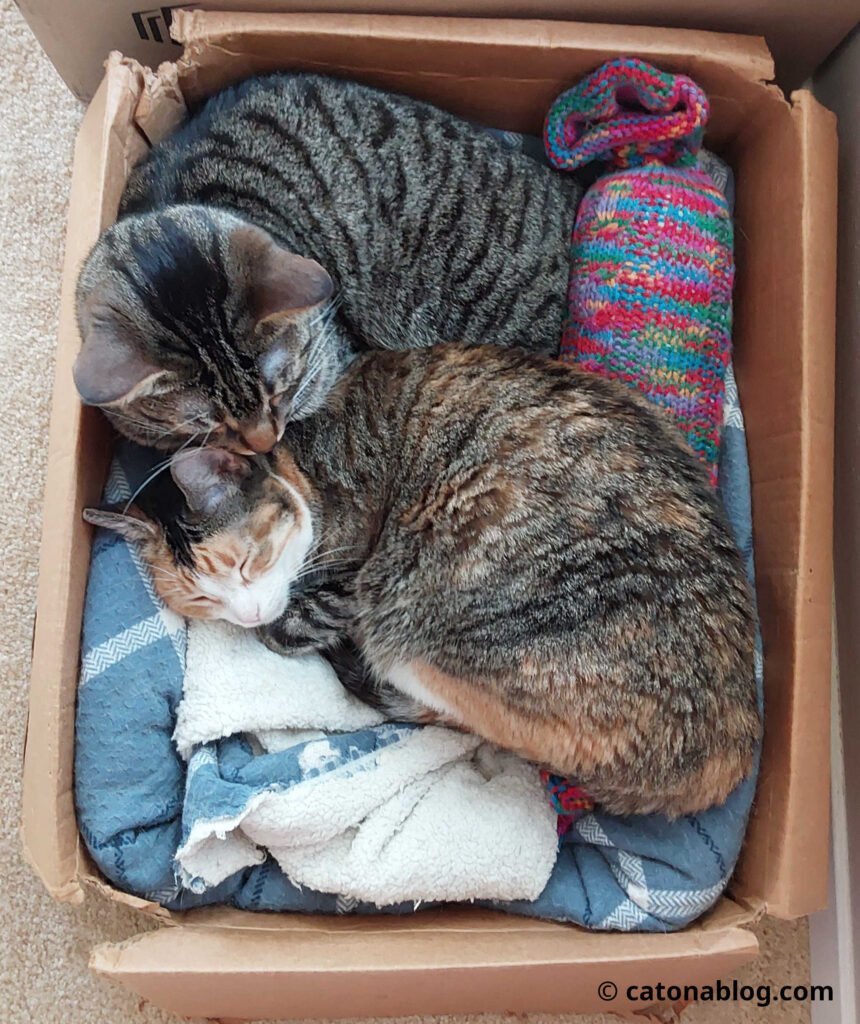
It is not how we, or any creatures (like Yuuki and Sesame) experience time. When we want to feel more like human and less like identical, replaceable robots, perhaps we can try detach ourselves from the constant beats of a device, and realign with the rhythm of nature.